Dabble: Simplifying Your Writing Journey

πŸ† Our Verdict

Dabble emerges as a strong contender in the writing software arena, especially for authors who prioritize simplicity and cloud-based functionality. With its intuitive design and focus on helping writers organize their stories effortlessly, Dabble caters to both new writers and seasoned authors looking for a straightforward tool to streamline their writing process.

βœ… Pros & ❌ Cons

Pros:

  • 🌐 Cloud-Based: Access your work from anywhere, ensuring seamless synchronization across devices.
  • πŸ‘₯ User-Friendly Interface: Designed for ease of use, Dabble’s interface is clean and straightforward, making navigation and writing a breeze.
  • πŸ“ Plot Grid: Offers a unique plotting tool that helps writers organize their thoughts and story structure effectively.
  • 🀝 Real-Time Collaboration: Allows for easy sharing and collaboration, making it ideal for projects involving multiple contributors.

Cons:

  • πŸ’» Internet Dependency: Being primarily cloud-based, it requires an internet connection to access full functionality.
  • πŸ›  Limited Formatting Options: Compared to Scrivener, Dabble might offer fewer formatting tools, which can be a downside for users needing complex formatting capabilities.
  • πŸ’΅ Subscription Model: Unlike Scrivener’s one-time purchase, Dabble operates on a subscription basis, which might add up over time.

πŸ“– About Dabble

Dabble is a cloud-based writing tool designed to help writers focus on creating stories without the distraction of complex software mechanics. It provides essential tools like the Plot Grid and note-taking features to support story development from concept to completion.

πŸ—“οΈ How It Works

  • Sign Up: Register for Dabble on their website and choose a subscription plan.
  • Set Up Your Project: Start with templates or from scratch and organize your chapters and notes.
  • Write and Organize: Utilize Dabble’s writing and structural tools to develop your manuscript.
  • Collaborate and Share: Share your work with editors or co-writers directly within the platform.
  • Publish: Export your finished manuscript to standard formats ready for publishing.

πŸ’² Pricing Overview

Here are the detailed pricing options for Dabble:

  • Monthly Subscription:
    • Basic: $9/month
    • Standard: $19/month
    • Premium: $29/month
  • Annual Subscription (Save 20%):
    • Basic: $7/month (billed annually)
    • Standard: $15/month (billed annually)
    • Premium: $23/month (billed annually)
  • Lifetime Access:
    • One-time payment: $699

These subscriptions provide various features, including unlimited manuscripts, cloud backup, and more advanced writing tools in higher tiers. For detailed features and to choose your plan, you can visit Dabble Pricing.

πŸ₯Š Competition

FeatureDabbleScrivener
PlatformCloud-based, accessible anywhereDesktop-based, limited cloud sync
User InterfaceSimplified and modernComprehensive and feature-rich
PricingSubscription-basedOne-time purchase with free updates
Target AudienceCasual and serious writersProfessional writers and researchers
ToolsBasic writing and plotting toolsExtensive writing, compiling, and formatting tools

πŸ“Œ Conclusion

Dabble is perfect for writers seeking a minimalist, effective tool to help bring their stories to life without the steep learning curve associated with more complex software. Its cloud-based nature and user-friendly design make it a great choice for modern writers on the go.

Dabble: Write Your Story, Anywhere, Anytime

Related read: Dabble and Novlr are the two cloud-first tools aimed at writers who want to open a browser and start, rather than learn a manuscript manager first. Novlr adds daily goal tracking and export straight to ePub, so it is the one to compare if you plan to publish the draft yourself.

Related read: Dabble’s internet dependency and its $9 to $29 per month subscription are the same trade seen from two sides. Bibisco inverts it: the app is free and local, your files stay on your own disk, and the cloud is an optional extra rather than the front door.

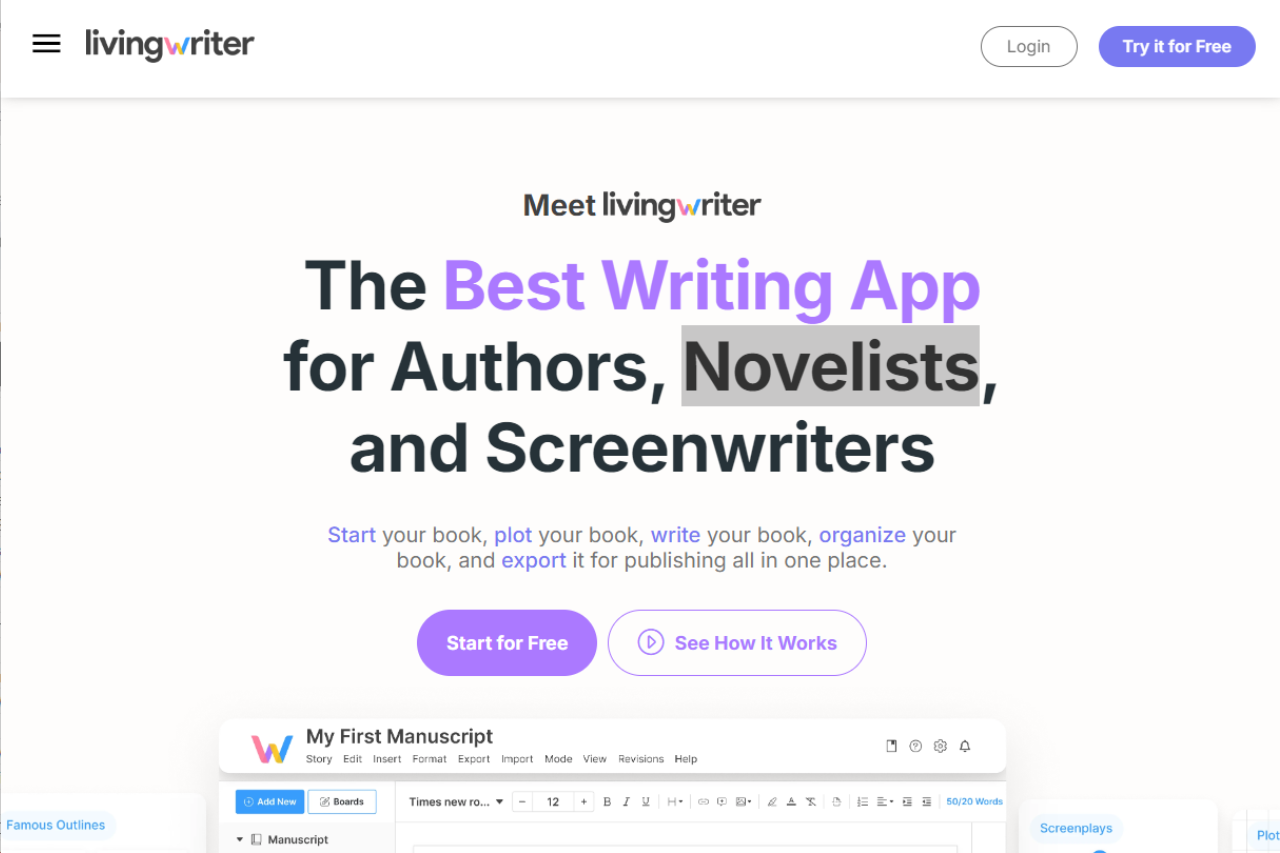
LivingWriter: Streamline Your Storytelling Process

πŸ† Our Verdict

LivingWriter stands out as a modern, cloud-based writing platform designed specifically for storytellers and novelists. It integrates well-thought-out features such as story templates and smart outlines, which cater to both seasoned authors and aspiring writers. With its focus on organization and story development, LivingWriter offers a compelling alternative to traditional word processors and competes favorably with Scrivener for the attention of today’s digital-savvy writers.

βœ… Pros & ❌ Cons

Pros:

  • πŸ“š Story Templates: Offers a variety of pre-built story structures that help writers start and structure their novels effectively.
  • ☁️ Cloud-Based: Enables real-time writing and access from any device, anywhere, promoting flexibility in the writing process.
  • πŸ”— Real-Time Collaboration: Allows multiple users to work on the document simultaneously, ideal for co-authored projects.
  • πŸ–‹οΈ Intuitive Interface: Clean, user-friendly interface that reduces the learning curve for new users.

Cons:

  • 🌐 Internet Dependency: Being cloud-based means it requires a constant internet connection, which can be a limitation in offline environments.
  • πŸ—ƒοΈ Less Robust Export Options: Compared to Scrivener, it may offer fewer options for exporting files in various formats.
  • πŸ’Έ Subscription Model: Unlike Scrivener’s one-time purchase, LivingWriter requires a monthly or yearly subscription.

πŸ“– About LivingWriter

LivingWriter is a cloud-based writing platform that brings novel writing into the 21st century. Designed with input from best-selling authors, it incorporates tools to plan, organize, and write stories with an emphasis on ease of use and accessibility.

πŸ—“οΈ How It Works

  • Sign Up and Setup: Create an account and choose a subscription plan that suits your needs.
  • Choose a Template: Select from various story templates or start with a blank slate.
  • Organize Your Story: Use the Smart Outline feature to plot your story and keep track of characters, settings, and timelines.
  • Write and Collaborate: Begin writing in a distraction-free environment and invite collaborators to join.
  • Review and Export: Use the revision features to polish your manuscript and export it in your desired format for publishing.

πŸ’² Pricing Overview

Here are the detailed pricing options for LivingWriter:

  • Best Value Plan:
    • $12.00 per month
    • Billed annually at $144
  • Regular Payments Plan:
    • $14.99 per month
    • Billed monthly
  • No Commitment Plan:
    • Free 14-day trial
  • Lifetime Access:
    • One-time fee of $699 after registering for the free trial

For further details and to view these plans, you can visit LivingWriter Pricing.

πŸ₯Š Competition

FeatureLivingWriterScrivener
PlatformCloud-based, accessible on any deviceDesktop-based, with limited mobile app
Pricing ModelSubscriptionOne-time purchase
CollaborationBuilt-in real-time collaborationLimited to sharing project files
UsabilityUser-friendly with minimal setupRequires more initial setup and learning
FlexibilityHighly flexible with cloud accessMore robust in offline settings

πŸ“Œ Conclusion

LivingWriter is ideally suited for writers who value structure, flexibility, and the ability to collaborate easily. Its modern approach to writing software makes it a preferred choice for authors who are comfortable with subscription-based tools and cloud technology.

LivingWriter: Write More, Worry Less

Related read: LivingWriter hands you a story template and a smart outline before you write a word. Novlr starts from the opposite end, with a blank page, a word count target and a writers’ community attached. Which one helps depends on whether structure or momentum is the thing stopping you.

Related read: LivingWriter charges $12 to $14.99 a month and needs a connection to open your manuscript. For the same story templates and outlining without a recurring bill, Bibisco is free to start and $69 once if you want the full edition.

Ulysses: Streamlining Writing for Creators and Professionals

πŸ† Our Verdict

Ulysses is recognized for its streamlined, clean interface that helps writers focus on creating content without distractions. It combines elegance and functionality, offering tools tailored for writers who need organization and efficiency in managing multiple projects. With its seamless integration across Apple devices, Ulysses is a formidable tool for those entrenched in the iOS and macOS ecosystems.

βœ… Pros & ❌ Cons

Pros:

  • πŸ“ Distraction-Free Environment: Ulysses offers a minimalistic writing environment that helps maintain focus.
  • πŸ”„ Seamless Sync: Excellent synchronization across all Apple devices, ensuring work continuity wherever you are.
  • 🏷 Organizational Capabilities: Superior organizational features such as tagging, folders, and filtering make managing large projects easy.
  • πŸ“Š Markdown Support: Full markdown support allows for exporting documents to various formats cleanly and efficiently.

Cons:

  • 🍏 Platform Limitation: Primarily available only for macOS and iOS, limiting access for users on other platforms.
  • πŸ’³ Subscription Model: Unlike one-time purchase options, Ulysses requires a recurring subscription, which might not appeal to all users.
  • πŸ›  Less Flexible for Complex Formatting: More suited for prose than for works requiring intricate formatting like complex tables or multimedia elements.

πŸ“– About Ulysses

Ulysses is a writing app designed to provide an enjoyable and focused writing experience. It is built around a simple text editor that supports markdown, which simplifies the process of formatting text and inserting images, meant to streamline the workflow for bloggers, authors, and journalists alike.

πŸ—“οΈ How It Works

  • Subscription and Setup: Sign up for a subscription via the Ulysses app or website.
  • Interface Customization: Tailor the writing environment to personal preferences (themes, fonts).
  • Write and Organize: Use the organizational tools to structure projects, write in a distraction-free mode, and utilize markdown for formatting.
  • Publish or Export: Directly publish to platforms like WordPress and Medium or export to formats like PDF, DOCX, and ePub.

πŸ’² Pricing Overview

Here are the detailed pricing options for Ulysses:

  • Monthly Subscription: $5.99 per month
  • Annual Subscription: $39.99 per year

These prices include access to Ulysses on all your Macs, iPads, and iPhones with full iCloud synchronization. The subscription also covers frequent improvements, feature additions, bug fixes, updates to new operating systems & devices, and new releases delivered automatically through the App Store. Apple Family Sharing is included, allowing you to share Ulysses with up to five other family members. There is also reduced pricing available for students.

For detailed pricing in your country, please check the App Store. For businesses and organizations, Ulysses offers volume licensing outside the App Store.

For more information, you can visit the Ulysses Pricing Page.

πŸ₯Š Competition

FeatureUlyssesScrivener
Platform AvailabilityiOS, macOSWindows, macOS, iOS
FocusStreamlined writing and organizationExtensive project management features
Pricing ModelSubscriptionOne-time purchase
User InterfaceMinimalist and cleanComplex with more customizable options
Target UserBloggers, journalists, novelistsNovelists, researchers, screenwriters

πŸ“Œ Conclusion

Ulysses is an excellent choice for writers looking for a sleek, efficient tool that harmonizes well with the Apple ecosystem. While its subscription model and platform limitation may deter some, its robust writing and organizational capabilities make it a worthy investment for serious writers.

Ulysses: Simplify Your Writing, Amplify Your Productivity

Visual Studio Code: Revolutionizing the Coding Experience

πŸ† Our Verdict

Visual Studio Code (VS Code) is a powerhouse in the code editor market, lauded for its advanced features and adaptability across various programming languages. It integrates smoothly with a multitude of development tools, making it a top choice for developers around the globe. With its open-source nature and robust community support, VS Code stands as a compelling option for professional and hobbyist programmers alike.

βœ… Pros & ❌ Cons

Pros:

  • πŸš€ Extensive Language Support: VS Code offers built-in support for a wide range of programming languages.
  • πŸ”Œ Rich Extension Ecosystem: Enhances functionality with thousands of extensions.
  • πŸ”„ Integrated Git Control: Streamlines coding with built-in Git commands.
  • πŸ’‘ Intelligent Code Completion: Features IntelliSense for smart completions based on variable types, function definitions, and imported modules.

Cons:

  • πŸ“š Resource Intensive: Can be heavy on system resources, especially with multiple extensions running.
  • πŸ”§ Occasional Bugs: Users may encounter bugs or stability issues, particularly with new updates.
  • πŸ“‰ Steep Learning Curve: The vast array of features can be overwhelming for beginners.

πŸ“– About Visual Studio Code

Developed by Microsoft, Visual Studio Code is a free, open-source editor that supports code editing, debugging, and repository management. It is designed to be a versatile tool that fits the needs of developers working on complex software projects as well as simple code files.

πŸ—“οΈ How It Works

  • Download and Install: Available for Windows, macOS, and Linux from the Visual Studio Code website.
  • Customization: Personalize the workspace with themes, settings, and install necessary extensions.
  • Develop and Debug: Use its powerful coding and debugging tools to build and test software.
  • Source Control: Manage your code with integrated Git support for tracking changes and collaborating.

πŸ’² Pricing Overview

Visual Studio Code is entirely free, providing a full-featured development environment without any cost.

πŸ₯Š Competition

FeatureVisual Studio CodeSublime Text
PerformanceFast with occasional slowdownsExtremely fast, especially on startup
CustomizationHighly customizable, extensive extensionsHighly customizable, less reliant on plugins
Ease of UseModerate, with a learning curveSimpler, more accessible to new users
PriceFreeFree trial available, license required for continued use
Integrated ToolsExtensive, including debugging, Git integrationBasic, with plugins for added functionality

πŸ“Œ Conclusion

Visual Studio Code is an excellent choice for developers seeking a sophisticated, adaptable, and community-supported coding environment. It’s particularly beneficial for those needing a versatile tool that grows with their developing needs.

Visual Studio Code: Code Smarter, Not Harder

Browser-hosted option: Visual Studio Code runs on your own machine. For the AWS-native, fully browser-based take on a similar editor, our AWS Cloud9 review covers what it offered and why AWS now steers new users toward Codespaces and other successors.

Sublime Text: Enhancing Code Efficiency

πŸ† Our Verdict

Sublime Text remains a favorite among developers for its lightning-fast performance and its sleek, minimalist interface. It excels in handling large files and complex projects with ease, making it an invaluable tool for coding professionals. While it faces stiff competition from newer editors like Visual Studio Code, Sublime Text’s focus on speed and efficiency keeps it highly relevant in the tech world.

βœ… Pros & ❌ Cons

Pros:

  • πŸš€ High Performance: Known for its speed, especially when loading and editing large files.
  • πŸ›  Rich Plugin Ecosystem: Extensive range of plugins available through Package Control, enhancing functionality.
  • πŸ–₯ Minimalist Interface: Clean and uncluttered interface that can be heavily customized.
  • πŸ” Multiple Selections: Allows making simultaneous edits and complex repetitive structures simple.

Cons:

  • πŸ’³ Paid License: Requires a one-time purchase, which might deter those who prefer free tools.
  • πŸ”§ Limited Built-in Features: Lacks some of the advanced integrated development features found in other editors.
  • πŸ“ž Less Frequent Updates: Has a slower update cycle compared to some competitors, like Visual Studio Code.

πŸ“– About Sublime Text

Sublime Text is a sophisticated text editor for code, markup, and prose. This lightweight, yet powerful editor supports multiple programming languages and markup languages, and features things like an API, a robust package ecosystem, and customizability options.

πŸ—“οΈ How It Works

  • Download and Install: Available for Windows, macOS, and Linux from the Sublime Text website.
  • Customization and Setup: Customize the environment through user settings and install packages/plugins.
  • Efficient Editing: Utilize tools like “Goto Anything,” “Multiple Selections,” and “Split Editing” to enhance coding efficiency.
  • Develop and Test: Write code, execute builds, and use syntax highlighting for various languages to streamline development.

πŸ’² Pricing Overview

Sublime Text offers a one-time license purchase, which includes future updates. Users can also download and evaluate it for free indefinitely, with occasional purchase reminders.

πŸ₯Š Competition

FeatureSublime TextVisual Studio Code
PerformanceExtremely fast, even with large filesFast, with occasional slowdowns on very large files
User InterfaceMinimalist and highly customizableModern, with more built-in features
Plugin EcosystemExtensive, with a strong communityExtremely extensive and integrated with marketplace
PricingOne-time fee for continued useCompletely free
Frequency of UpdatesLess frequent, but stableRegular and feature-rich updates

πŸ“Œ Conclusion

Sublime Text stands out in the world of text editors for its commitment to speed, efficiency, and a distraction-free interface. It is particularly suited for those who value these aspects and are willing to invest in a reliable tool for their coding needs.

Sublime Text: Code More, Wait Less

macOS-native alternative: Sublime Text is cross-platform and proprietary. If you work entirely on macOS and want a free, open-source editor with the same snippet-and-bundle philosophy, TextMate is the Mac-first pick.

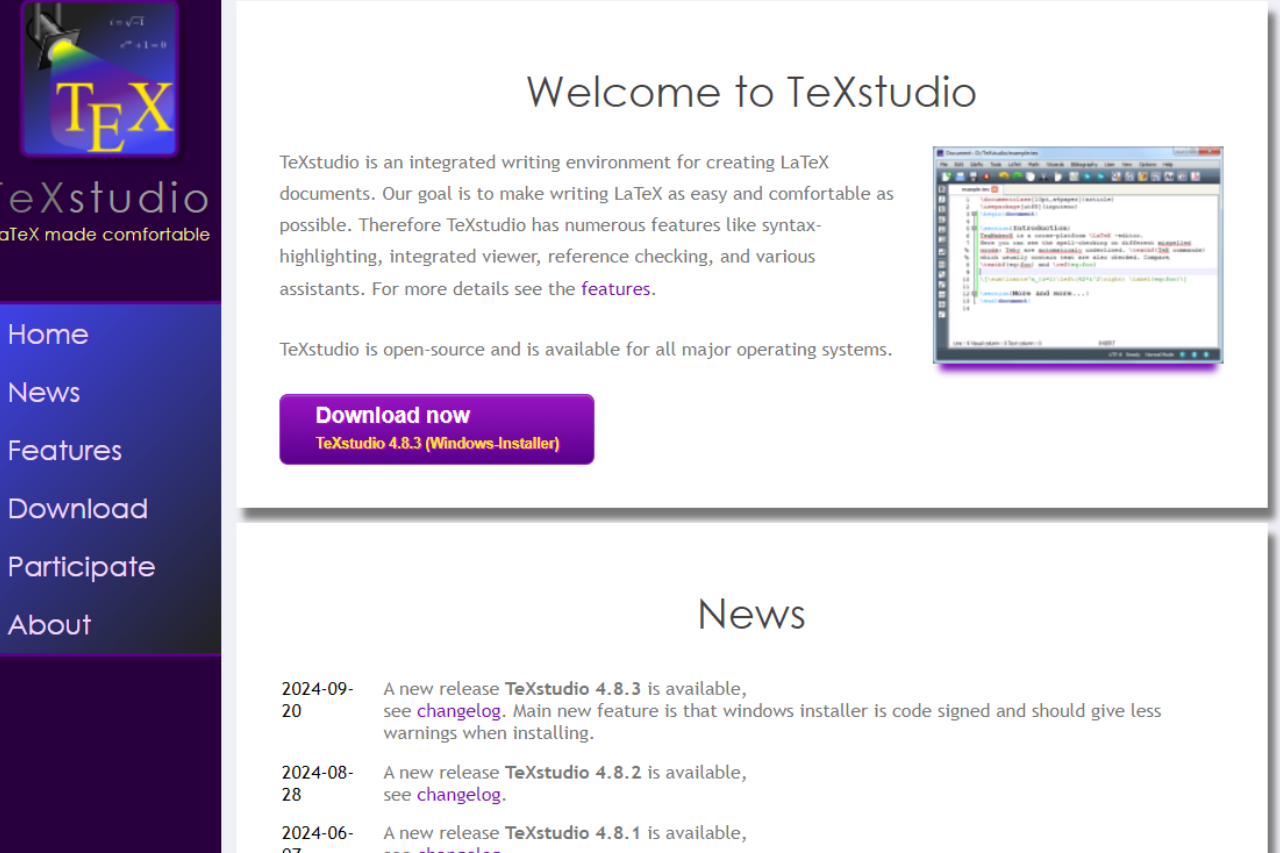
TeXstudio: Elevating LaTeX Editing to New Heights

πŸ† Our Verdict

TeXstudio is a comprehensive LaTeX editor that seamlessly combines ease of use with powerful features, making it an indispensable tool for academics, writers, and anyone who requires precision in document creation. It stands out for its depth of LaTeX support and a suite of features that are both robust and intuitive, offering a serious alternative to other LaTeX editors like TeXmaker.

βœ… Pros & ❌ Cons

Pros:

  • πŸ“„ Rich Editing Features: Offers a wide range of LaTeX editing tools, including syntax highlighting, code folding, and a built-in PDF viewer.
  • πŸ”„ Real-Time Collaboration: Supports collaborative writing with real-time preview, making it ideal for team projects.
  • πŸ”§ Customizable Interface: Highly customizable, allowing users to tailor the environment to their workflow.
  • πŸ” Integrated Assistance: Features an integrated assistant that provides interactive help for LaTeX commands.

Cons:

  • πŸ’» Resource Intensive: Can be heavy on system resources, especially with complex documents.
  • πŸ‘¨β€πŸ’» Steep Learning Curve: New users may find the interface and plethora of features daunting.
  • πŸ”„ Compatibility Issues: While generally compatible with TeXmaker documents, some features may not transfer perfectly.

πŸ“– About TeXstudio

Developed by an active community of LaTeX enthusiasts, TeXstudio is designed to offer a versatile and comprehensive writing environment. It focuses on facilitating easy access to all tools needed to create and edit LaTeX documents efficiently. The software is open source and maintained by contributions from users around the world, ensuring it stays relevant and up-to-date.

πŸ—“οΈ How It Works

  • Download and Install: Accessible for free; download from the TeXstudio website and install it on your device.
  • Setup and Customize: Customize settings and layout to fit personal preferences for optimal usability.
  • Write and Edit: Utilize the extensive LaTeX editing tools and document templates to start creating documents.
  • Compile and Review: Compile documents within the editor and use the integrated PDF viewer to review your work.

πŸ’² Pricing Overview

TeXstudio is a free, open-source software available for Windows, macOS, and Linux. There are no hidden fees or subscription charges, making it accessible to anyone without financial burden.

πŸ₯Š Competition

FeatureTeXstudioTeXmaker
User InterfaceHighly customizable and detailedSimpler and cleaner, less intimidating
FeaturesExtensive, with more advanced toolsComprehensive but more streamlined
PerformanceCan be resource-intensiveGenerally lighter on system resources
Ease of UseSteeper learning curveEasier for beginners

πŸ“Œ Conclusion

TeXstudio is a top-tier LaTeX editor that balances advanced functionality with user-centric design, making it ideal for anyone serious about high-quality document production. Its robust features support a wide range of documentation needs, from simple articles to complex reports.

TeXstudio: Mastering LaTeX Editing for Precision and Efficiency

Related read: TeXstudio began life as a Texmaker fork. If you want the leaner editor it grew from, Texmaker is still widely used and simpler to pick up.

Leaner Windows option: TeXstudio bundles a built-in viewer, live preview, and a large set of assistants, which can be more interface than a short paper needs. If you want a more focused Windows IDE that still handles multi-file projects and forward and inverse search, TeXnicCenter is the simpler pick.

Related read: TeXstudio grew out of Texmaker and packs in advanced tooling. If you would rather start with the minimal editor that ships inside TeX Live, TeXworks is the lighter place to begin.

Related read: TeXstudio gives you code folding and a built-in PDF viewer out of the box, with sensible defaults you rarely have to touch. WinEdt takes the opposite position: almost nothing is fixed, and you are expected to shape the editor around your own compile workflow. Worth comparing before you commit to either.

Microsoft 365: Empowering Modern Productivity

πŸ† Our Verdict

Microsoft 365 stands out as a comprehensive productivity suite that integrates all the tools necessary for business operations, including Word, Excel, PowerPoint, and more. Its cloud-based services enhance collaborative projects and data accessibility, making it ideal for both individual and corporate use.

βœ… Pros & ❌ Cons

Pros:

  • πŸ”— Seamless Integration: Easily integrates with various platforms and services, enhancing workflow efficiency.
  • 🌍 Real-Time Collaboration: Enables multiple users to work on documents simultaneously from anywhere.
  • πŸ”’ Robust Security Features: Provides extensive security measures, including compliance protocols and data protection.
  • πŸ”„ Regular Updates: Constant updates improve features and security without additional costs.

Cons:

  • πŸ’Έ Subscription Model: Requires a recurring payment, which might be a downside for users preferring a one-time purchase.
  • πŸ“‘ Internet Dependency: For the most features, a stable internet connection is needed, which can be limiting in areas with poor connectivity.
  • πŸ›  Complex Features: Some users may find the features complex and not as user-friendly without proper training.

πŸ“– About Microsoft 365

Microsoft 365 is a line of subscription services offered by Microsoft as part of the Microsoft Office product line. This suite includes leading applications like Word, Excel, PowerPoint, and OneDrive, along with robust cloud services, device management, and advanced security features.

πŸ—“οΈ How It Works

  • Sign Up: Choose a subscription plan that fits your needs and create an account.
  • Installation: Download and install the suite on your devices.
  • Use and Collaborate: Access applications online or offline, share documents, and collaborate in real-time.
  • Manage and Secure: Utilize admin tools to manage users and secure data effectively.

πŸ’² Pricing Overview

Here are the detailed Microsoft 365 Business plan prices:

  • Microsoft 365 Business Basic: $6.00 per user/month (paid annually)
  • Microsoft 365 Business Standard: $12.50 per user/month (paid annually)
  • Microsoft 365 Business Premium: $22.00 per user/month (paid annually)
  • Microsoft 365 Apps for business: $8.25 per user/month (paid annually)

These prices reflect annual billing rates. For more details on what each plan includes, you can visit the Microsoft 365 Business Plans page.

πŸ₯Š Competition

FeatureMicrosoft 365Google Workspace
Productivity ToolsExtensive suite with advanced featuresStreamlined and user-friendly tools
IntegrationSeamless with Windows and other Microsoft productsDeep integration with Google services
PricingSubscription-based with various tiersSubscription-based with scalable options
CollaborationStrong, especially in real-time document editingExceptional real-time collaboration
User InterfaceFamiliar to Windows users; steep learning curve for new usersMinimalistic and easy to navigate

πŸ“Œ Conclusion

Microsoft 365 is an excellent choice for those looking for a robust, integrated suite that facilitates not only document creation but also complex data analysis, project management, and secure collaboration. Its subscription model ensures users always have the latest updates and features, making it a forward-thinking investment in productivity.

Microsoft 365: Where Productivity Meets Innovation

Scrivener: Unleashing Creative Writing Potential

πŸ† Our Verdict

Scrivener is a powerhouse for writers who need more than a simple word processor. Its rich feature set allows for detailed organizing, formatting, and writing, making it particularly suited for long-form projects like novels, research papers, and scripts. With its robust management tools and customizable interface, Scrivener supports a writer’s workflow from brainstorming to final draft.

βœ… Pros & ❌ Cons

Pros:

  • πŸ“š Comprehensive Writing Suite: Scrivener integrates all writing tools in one applicationβ€”writing, organizing, and formatting.
  • πŸ”— Powerful Organization Tools: Offers corkboard, outlining tools, and a research folder making the management of large projects straightforward.
  • πŸ‘€ Focused Writing Modes: Includes a full-screen mode to minimize distractions and a “typewriter” mode to keep the text centered.
  • πŸ”„ Extensive Format Support: Exports to a variety of formats including DOCX, PDF, HTML, ePub, and more.

Cons:

  • πŸ‘©β€πŸ’» Steep Learning Curve: New users may find Scrivener’s vast array of features overwhelming.
  • πŸ”„ Compatibility Issues: Syncing between devices, especially non-Mac devices, can be cumbersome.
  • πŸ’Ό No Mobile Version for Android: While there is an iOS app, Android users are left without a mobile option.

πŸ“– About Scrivener

Developed by Literature and Latte, Scrivener is designed specifically for writers who need to structure complex writing projects. Whether it’s drafting a novel, scripting a film, or compiling research, Scrivener provides a flexible platform that accommodates a variety of writing endeavors.

πŸ—“οΈ How It Works

  • Download and Install: Download Scrivener from Literature and Latte’s website and install it on your computer.
  • Set Up Your Project: Choose from various templates (novel, screenplay, non-fiction, etc.) or start with a blank project.
  • Write and Organize: Utilize the corkboard, binder, and outliner to structure your work. Import research, images, and PDFs directly into the project.
  • Compile and Export: Once your project is complete, compile your manuscript into a single document for printing, self-publishing, or submitting to publishers.

πŸ’² Pricing Overview

Here’s the corrected information for Scrivener’s pricing:

  • Standard Licence for Windows: $59.99
  • Educational Licence for Windows: $50.99

These prices apply for the full version of Scrivener 3 for Windows. For further details and to make purchases, you can visit Scrivener’s official store.

πŸ₯Š Competition

FeatureScrivenerUlysses
PlatformWindows, macOS, iOSmacOS, iOS
PricingOne-time purchaseSubscription-based
Target UserNovelists, researchers, academicsWriters preferring Apple devices
Writing ToolsExtensive, customizableStreamlined, minimalistic
SupportIn-depth tutorials, forumsLimited to online guides

πŸ“Œ Conclusion

Scrivener stands out for its comprehensive writing tools and organizational capabilities, catering especially to those managing complex writing projects. While it has a steeper learning curve, its benefits far outweigh the initial investment in time, making it a vital tool for serious writers.

Scrivener: Your Writing, Structured Your Way

Free open-source counterpart: Scrivener is the paid market leader for long-form fiction, but the license is a real cost for a first novel. Writers looking for a free cross-platform alternative with the same corkboard plus outliner workflow tend to land on Manuskript.

Related read: Scrivener is a full writing studio with a corkboard, research binder, and compile pipeline. If you want something free and stripped back to just the words, Quoll Writer gives you a distraction-free editor with light chapter and character organisation.

Structure vs blank canvas: Scrivener gives you a powerful workspace but leaves the method to you. If you want the process taught alongside the tool, The Book Incubator pairs a writing app with a step-by-step path to a finished novel.

Related read: the steep learning curve is the honest cost of everything Scrivener can do. If you want the structure without the week of setup, Bibisco hands you a fixed novel workflow instead of a blank toolbox: premise, narrative strands, character interviews, and a free edition to test the fit on.

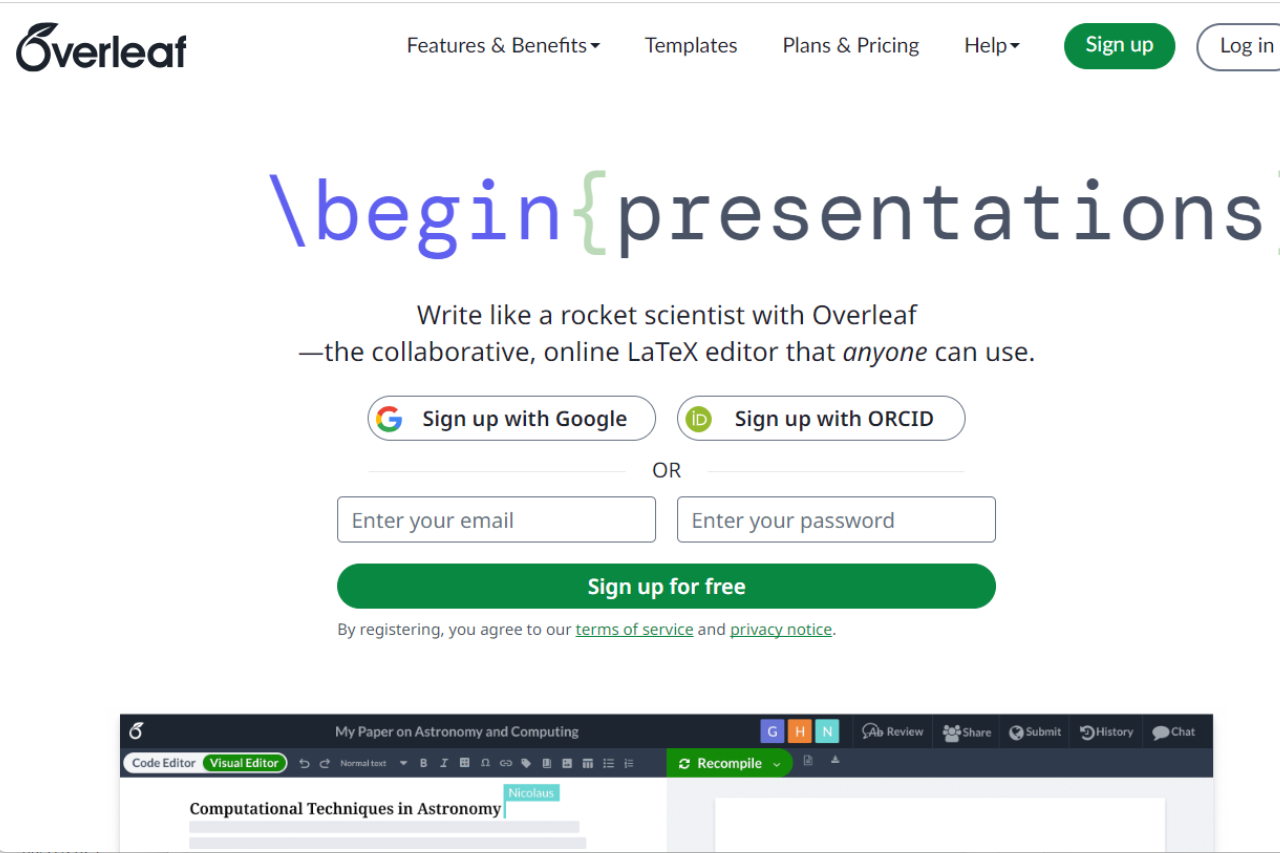
Overleaf: Revolutionizing Collaborative Writing and Publishing

πŸ† Our Verdict

Overleaf sets itself apart as an exceptional online LaTeX editor, offering seamless collaboration and real-time synchronization. Designed for academics, researchers, and students, it integrates well with a host of reference management tools and publishing services, making document creation and sharing both efficient and user-friendly.

βœ… Pros & ❌ Cons

Pros:

  • 🀝 Real-Time Collaboration: Enables multiple users to work simultaneously on a document with instant updates.
  • πŸ“˜ Rich Text Editor: Provides a user-friendly interface for those who might not be familiar with LaTeX code.
  • πŸ“ Version Control: Offers a robust version control system that keeps track of changes and simplifies the revision process.
  • 🌐 Integration with Academic Tools: Seamlessly integrates with bibliographic tools like Mendeley and Zotero, and supports direct submissions to several scientific journals.

Cons:

  • 🌍 Internet Dependency: Requires an active internet connection to access and edit documents, which can be limiting in offline scenarios.
  • πŸ’Ύ Limited Offline Functionality: While there is some support for offline work, it’s not as robust as desktop applications.
  • πŸ–₯️ Performance with Large Documents: Can experience slowdowns or become less responsive with very large or complex documents.

πŸ“– About Overleaf

Overleaf is a cloud-based LaTeX editor that simplifies the process of creating, editing, and publishing academic documents. It’s particularly favored in the scientific community for its collaborative features and direct integration with scholarly publishers and repositories.

πŸ—“οΈ How It Works

  • Sign Up: Register on the Overleaf platform to start creating or importing projects.
  • Choose a Template: Select from numerous templates designed for various types of documents such as articles, theses, and presentations.
  • Collaborate and Edit: Invite collaborators to work on the document. Use LaTeX directly or the Rich Text mode to edit content.
  • Compile and Review: Instantly compile your document to see the output and make necessary revisions.
  • Publish or Export: Submit directly to journals, export to multiple formats, or share with others for feedback.

πŸ’² Pricing Overview

Overleaf offers a variety of subscription plans for individuals and groups:

  • Free Plan: $0 forever
    • 1 collaborator per project
    • Unlimited projects
    • Basic compile timeout on fast servers
    • Ready-to-use templates
  • Standard Plan: $199/year or $21/month
    • 10 collaborators per project
    • Longer compile timeout on faster servers
    • Full document history
    • Advanced reference search
    • Git, GitHub, Dropbox, Mendeley, and Zotero integrations
  • Professional Plan: $399/year or $42/month
    • Unlimited collaborators per project
    • Includes all features from the Standard plan with the fastest compile servers

For more details, you can visit Overleaf’s pricing page.

πŸ₯Š Competition

FeatureOverleafVisual Studio Code
FocusScientific writing and collaborationGeneral coding and development
CollaborationReal-time, with multiple collaboratorsPrimarily single-user, with extensions for collaboration
IntegrationDirect with scholarly tools and publishersExtensive with development tools and languages
Ease of UseHigh for LaTeX and scientific documentsHigh for programmers and developers
Offline CapabilityLimitedExtensive

πŸ“Œ Conclusion

Overleaf is a powerful tool for anyone involved in academic writing, particularly in fields where LaTeX is standard. It stands out for its collaborative features and integrations, providing a modern solution for document management and publication.

Overleaf: Write, Collaborate, Publish – Seamlessly

Related read: Overleaf keeps LaTeX in the browser so co-authors can edit the same file. To write offline with no account and no compile queue, the TeXworks editor installs free with TeX Live and MiKTeX.

Related read: real-time collaboration is what Overleaf is for, and internet dependence is the price of it. When you are writing alone, on a plane, or on a document that cannot leave your machine, Texmaker is the offline answer to the same job, free and installed locally.

LibreOffice Writer: Elevating Your Word Processing Game

πŸ† Our Verdict

LibreOffice Writer shines as a robust and accessible word processor, ideal for those who need a reliable and feature-rich tool without the hefty price tag. As part of the LibreOffice suite, Writer excels in compatibility, versatility, and user control, offering a strong alternative to more costly subscriptions like Microsoft 365.

βœ… Pros & ❌ Cons

Pros:

  • πŸ†“ Cost-Effective: LibreOffice Writer is completely free, making it accessible to everyone without any subscription fees.
  • πŸ”— High Compatibility: Excellent compatibility with a wide range of document formats, including those used by major office suites like Microsoft Office.
  • 🌐 Community-Driven Updates: Benefits from regular updates and features developed by a vibrant community, ensuring continuous improvement and innovation.
  • πŸ› οΈ Extensive Customization: Highly customizable with a variety of plugins and extensions, allowing users to tailor the tool to their specific needs.

Cons:

  • πŸ”„ Occasional Compatibility Issues: While generally good, compatibility with Microsoft Office formats can sometimes result in formatting discrepancies, particularly with more complex documents.
  • πŸ‘¨β€πŸ’» User Interface: The interface may feel outdated compared to more modern office suites, which can affect user experience.
  • πŸ“Š Lacks Some Advanced Features: While it covers most functionalities, it may lack the cutting-edge features provided by some paid competitors.

πŸ“– About LibreOffice Writer

LibreOffice Writer, a prominent component of the LibreOffice suite, is a powerful word processor that supports a variety of document types and formatting options. Developed by The Document Foundation, it is widely recognized for its strong commitment to open-source principles and its robust functionality that rivals even the most established word processors.

πŸ—“οΈ How It Works

  • Download: Obtain the software from the LibreOffice website, available for multiple operating systems.
  • Installation: Install LibreOffice Writer on your device following simple installation instructions.
  • Create and Edit Documents: Start creating or editing documents with an array of tools for text formatting, layout adjustments, and more.
  • Customize: Enhance your experience by adding extensions and customizing the interface.
  • Save and Share: Export your documents in various formats, ensuring compatibility across different platforms.

πŸ’² Pricing Overview

LibreOffice Writer is part of the LibreOffice suite, which is available for free. There are no hidden costs, subscription fees, or upsells, making it an exceptional choice for budget-conscious users, educational institutions, and non-profits seeking comprehensive word processing capabilities without financial burden.

πŸ₯Š Competition

FeatureLibreOffice WriterMicrosoft 365 (Office)
Cost-EffectivenessFree with no hidden costsSubscription-based with various plans
Ease of UseFunctional but traditional interfaceModern, streamlined interface
FunctionalityStrong core features and extensionsMore advanced features and integrations
CompatibilityGood, with occasional issuesExcellent, particularly with own formats
UpdatesCommunity-driven, regular updatesFrequent, but requires subscription

πŸ“Œ Conclusion

LibreOffice Writer proves to be a compelling choice for users seeking a capable and cost-effective word processor. With its strong feature set and community support, it stands out as a practical alternative to more expensive options.

LibreOffice Writer: Where Word Processing Meets Affordability